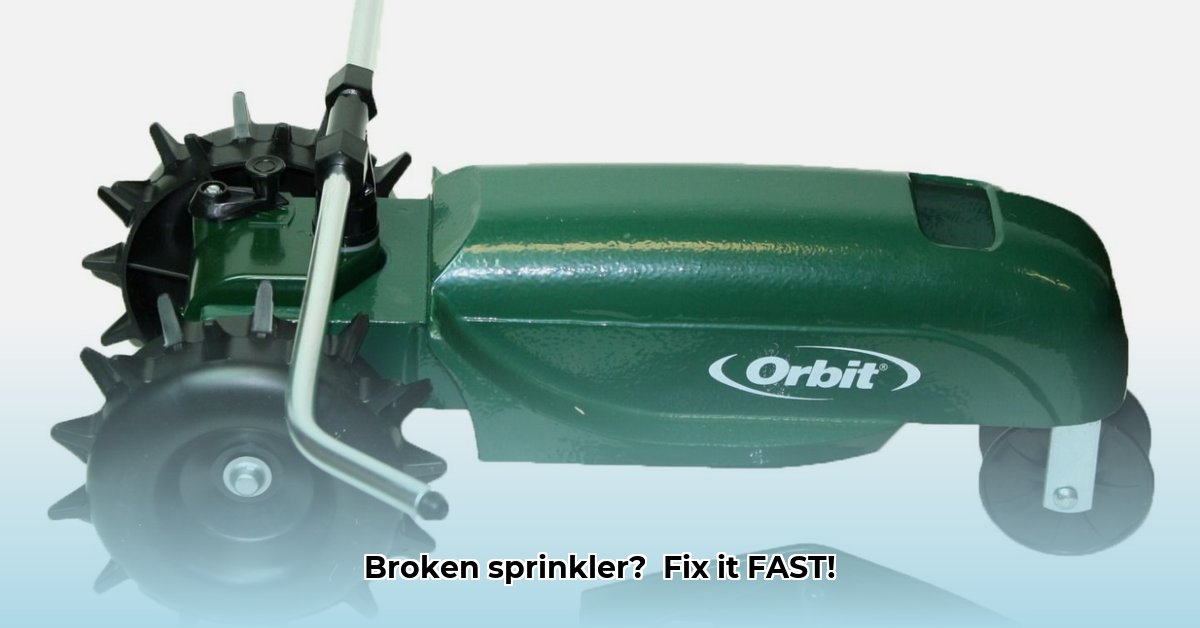
Understanding Your Center Pivot Sprinkler System
Efficient irrigation is crucial for maximizing crop yields and minimizing water waste. This guide focuses on maintaining Nelson and Orbit sprinkler systems – two prominent brands in the agricultural irrigation market – to ensure optimal performance and longevity. Understanding the key components of your center pivot system is the first step towards achieving this. For additional equipment maintenance tips, check out this helpful resource on tractor parts.
Key Components and Their Importance
Your center pivot irrigation system consists of several interconnected parts. Understanding their function is critical for effective maintenance and troubleshooting. Let’s examine some key components:
- Pipes: These galvanized steel pipes transport water from the main source to the sprinklers. Regular inspection is crucial to detect rust, leaks, or damage.
- Drive Unit: This is the system's "engine," responsible for the rotation of the pivot. Proper lubrication and maintenance of the drive unit are essential for smooth operation.
- Sprinklers: These are the delivery mechanism, distributing water to your crops. Regular cleaning and nozzle replacement are vital for even water distribution and preventing clogging.
- Valves: Valves control water flow to different sections of the system, enabling precise water management. Regular inspection for leaks and proper functioning is essential.
- Sensors (Optional): Smart irrigation systems utilize sensors to monitor soil moisture, temperature, and other environmental factors to optimize water use.
Preventative Maintenance: A Step-by-Step Guide
Proactive maintenance significantly reduces the likelihood of costly repairs and system failures. Following these steps will keep your irrigation system running smoothly and efficiently.
Step 1: Regular Visual Inspection (Weekly)
Carefully walk your entire system, examining pipes, drive units, sprinklers, and valves for any signs of wear, damage, or leaks. Look for rust, cracks, loose connections, or clogged nozzles. Addressing minor issues early prevents them from becoming major problems.
Step 2: Lubrication (Monthly)
Consult your system's manual for lubrication requirements. Proper lubrication of moving parts, such as the drive unit and pivot points, reduces friction and extends their lifespan. Use the recommended type of lubricant to avoid damaging components.
Step 3: Cleaning (Monthly/Seasonal)
Regularly flush your system with clean water to remove debris and mineral deposits that can clog nozzles and reduce water flow. Periodically inspect and clean sprinkler nozzles using appropriate tools to ensure even water distribution.
Step 4: Valve Inspection (Quarterly)
Inspect all valves to ensure they operate correctly and are leak-free. Repair or replace faulty valves promptly to avoid water waste and prevent potential damage to other components.
Troubleshooting Common Issues
Despite preventative maintenance, problems may arise. This section provides guidance on diagnosing and resolving common issues.
Issue 1: Leaks
- Possible Causes: Cracked pipes, worn seals, loose connections.
- Solution: Locate the leak precisely. Repair or replace damaged pipes, seals, or fittings. For stubborn leaks, consider using pipe sealant.
Issue 2: Clogged Sprinkler Nozzles
- Possible Causes: Mineral deposits, debris, wear and tear.
- Solution: Use a nozzle cleaning tool, compressed air, or replace worn nozzles. Regular flushing helps prevent clogging.
Issue 3: Drive Unit Malfunctions
- Possible Causes: Mechanical failure, electrical issues.
- Solution: Attempt basic troubleshooting steps (consult your manual). If the problem persists, contact a qualified technician for professional repair.
Issue 4: Inconsistent Water Flow
- Possible Causes: Clogged filters, uneven sprinkler distribution.
- Solution: Clean or replace clogged filters. Check sprinkler alignment and pressure. Uneven distribution might require adjusting sprinkler placement or replacing faulty sprinklers.
Issue 5: Reduced Water Pressure
- Possible Causes: Low water source pressure, leaks in the system.
- Solution: Check the pressure at your water source. Thoroughly inspect the entire system for leaks.
Sourcing and Selecting Replacement Parts
Choosing the correct replacement parts is crucial for maintaining system compatibility and efficiency.
Step 1: Identify Part Numbers: Carefully note the part numbers of the components needing replacement. This ensures accurate ordering and avoids compatibility issues.
Step 2: Select a Reputable Supplier: Opt for reputable agricultural equipment suppliers with a proven track record of providing quality parts and reliable service.
Step 3: Prioritize OEM Parts: Whenever possible, use Original Equipment Manufacturer (OEM) parts from Nelson or Orbit. The compatibility is guaranteed.
Step 4: Consider Compatible Alternatives: If OEM parts are unavailable, research compatible alternatives from trusted suppliers. Always verify compatibility before purchase.
Integrating Smart Irrigation Technologies
Smart irrigation technology significantly improves water use efficiency and optimizes irrigation scheduling. Integrating smart sensors with your existing system offers substantial long-term benefits.
Step 1: Sensor Selection: Research and choose sensors (soil moisture, weather, etc.) compatible with your system. Consider features like remote monitoring capabilities.
Step 2: Sensor Placement: Strategically position sensors for accurate readings, considering soil type, irrigation method, and sensor range.
Step 3: Controller Integration: Ensure compatibility between chosen sensors and your existing irrigation controller.
Step 4: Software Configuration: Set up the smart irrigation software and programming based on sensor data and your specific needs.
Step 5: Calibration and Testing: Calibrate the system meticulously and conduct thorough testing to guarantee proper functionality.
Long-Term Planning and Sustainability
Regular maintenance is a crucial investment in the long-term health and efficiency of your irrigation system. This proactive approach minimizes repair costs, enhances water conservation, and prolongs the system's lifespan. Regular budgeting for maintenance, upgrades, and potential smart irrigation integration should be part of your long-term agricultural planning. This is an investment in the sustainable future of your farm.
This comprehensive guide enables farmers, manufacturers, and retailers to effectively maintain and improve their Nelson and Orbit center pivot sprinkler systems, resulting in improved crop yields and efficient water management. By following these guidelines, you can ensure your irrigation system remains a reliable and efficient tool for many years to come.